In the rapidly evolving landscape of modern business, digital marketing has emerged as a fundamental strategy for connecting with audiences, driving brand awareness, and achieving business goals. Whether you’re a small business owner, a content creator, or simply curious about the world of online promotion, understanding the basics of digital marketing is a crucial step. In this guide, we’ll break down the key components of digital marketing and provide beginners with a solid foundation to navigate this dynamic realm.

What is Digital Marketing?
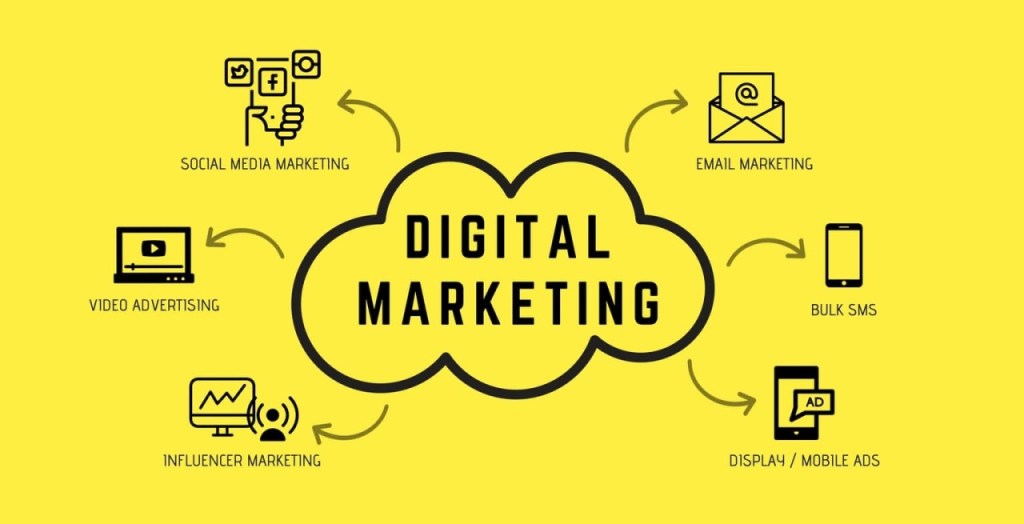
Digital marketing refers to the set of strategies and techniques used to promote products, services, or brands through digital channels and platforms. These digital channels include websites, social media platforms, search engines, email, mobile apps, and various forms of online advertising. Unlike traditional marketing, which relies on print media, TV, and radio, digital marketing leverages the internet and electronic devices to connect with target audiences. It offers a range of tools and methods to reach potential customers in a more personalized and targeted manner, often resulting in higher engagement rates and measurable results.
Digital Marketing Basics
Continue reading to learn the basics of digital marketing.
The Pillars of Digital Marketing:
1. Search Engine Optimization (SEO):
SEO is the art and science of optimizing your online content to improve its visibility in search engine results. By understanding the keywords users search for, optimizing website structure, and producing high-quality content, businesses can rank higher in search results, attracting organic (non-paid) traffic.
2. Social Media Marketing:
Social media platforms like Facebook, Instagram, Twitter, and LinkedIn offer powerful tools for building a brand presence and engaging with audiences. Social media marketing involves creating and sharing content, running ads, and interacting with followers to foster a loyal community.
3. Content Marketing:
Valuable content is at the heart of digital marketing. Whether through blog posts, videos, infographics, or podcasts, content marketing aims to educate, entertain, or inspire your target audience. Great content not only provides value but also establishes your expertise and builds trust.
4. Email Marketing:
Email marketing involves sending targeted messages directly to a user’s inbox. It’s an effective way to nurture leads, promote products, and maintain a direct line of communication with your audience.
5. Pay-Per-Click Advertising (PPC):
PPC advertising allows you to display ads on search engines and other platforms. You pay only when users click on your ad. Google Ads and social media advertising are popular forms of PPC.

Targeting and Segmentation:
Targeting and segmentation are key aspects of digital marketing that enable businesses to deliver tailored messages to specific groups of people. Through the analysis of user data and behavior, businesses can divide their audience into segments based on factors like demographics, interests, location, and online behaviors. This segmentation allows marketers to create content and advertisements that are highly relevant to each group, increasing the chances of capturing their attention and driving desired actions. By reaching the right audience with the right message at the right time, businesses can maximize the effectiveness of their digital marketing campaigns.
Analytics and Measurement:
One of the standout advantages of digital marketing is the ability to measure and analyze performance with a high degree of accuracy. Various tools and platforms provide detailed insights into user behavior, website traffic, engagement rates, conversion rates, and more. For example, Google Analytics tracks website visitors, their interactions, and conversion paths. These analytics allow marketers to understand what’s working and what’s not, helping them make data-driven decisions to optimize their strategies. The ability to measure ROI (Return on Investment) is a game-changer, as it allows businesses to allocate resources more efficiently and refine their approach for better results.
Creating a Digital Marketing Strategy:
Creating a digital marketing strategy involves outlining the goals, tactics, and channels you’ll use to achieve your marketing objectives. It starts with a clear understanding of your target audience and their preferences. Defining specific, measurable, achievable, relevant, and time-bound (SMART) goals is crucial. For instance, a goal could be to increase website traffic by 20% over the next six months. Based on your goals, research the digital channels that are most suitable for reaching your audience – this could include SEO, social media, email, or paid advertising. Develop a content plan that aligns with your audience’s interests and needs. Finally, allocate resources, set a budget, and establish a timeline for implementing and evaluating your strategies. Regularly monitor your campaign’s performance and make adjustments as needed to ensure you’re on track to achieve your digital marketing goals.
Consistency and Adaptability:
Consistency is a fundamental principle in digital marketing. Building a strong online presence and brand reputation requires maintaining regular communication with your audience. This involves consistently creating and sharing valuable content, engaging with followers on social media, and responding promptly to comments and messages. By staying active and consistent, you keep your audience engaged and foster a sense of reliability and trust.
However, while consistency is crucial, adaptability is equally important. The digital landscape is dynamic and ever-changing. New technologies, trends, and platforms emerge regularly. To stay relevant and effective, you must be open to trying new strategies, embracing emerging technologies, and adjusting your approach based on feedback and data. An adaptable mindset ensures that your digital marketing efforts evolve with the times, allowing you to seize new opportunities and address shifting consumer behaviors.
Building Relationships:
Digital marketing is not just about transactions; it’s about building meaningful relationships with your audience. By engaging authentically with your followers, responding to their comments and inquiries, and showing appreciation for their support, you humanize your brand and create a sense of community. Strong relationships can lead to brand loyalty, repeat business, and word-of-mouth referrals. In the digital space, where interactions can sometimes feel impersonal, prioritizing relationship-building helps differentiate your brand and fosters lasting connections with your audience.
Ethical Considerations:
Ethics play a crucial role in digital marketing. As you engage with your audience, it’s essential to be transparent and honest in your communications. If you’re promoting products or services through sponsored content or influencer partnerships, clearly disclose these relationships to your audience. Additionally, respecting user privacy and data protection laws is of utmost importance. Obtain consent before collecting and using personal data, and ensure that your data handling practices align with industry standards and regulations.
Maintaining a high standard of ethics not only builds trust with your audience but also safeguards your brand’s reputation. In a digital landscape where information spreads rapidly, any unethical practices can lead to significant negative consequences. By operating ethically, you create a foundation of credibility and integrity that can greatly contribute to the success of your digital marketing efforts.

Basics of Digital Marketing for Beginners – In a Nutshell
Digital marketing is a multifaceted journey that requires understanding, planning, and continuous learning. By grasping the basics of SEO, social media, content creation, and more, beginners can lay a strong foundation for effective digital marketing strategies that resonate with audiences and drive success in the online world.
Reference Links:
https://business.adobe.com/blog/basics/digital-marketing
https://backlinko.com/marketing-tactics
http://www.zealoteck.com/digital-marketing-essentials-comprehensive-guide/
https://www.searchenginejournal.com/ultimate-digital-marketing-guide/417055/
 Businessworld | Business news | Small business ideas